
A Lesson Beyond the Training Room
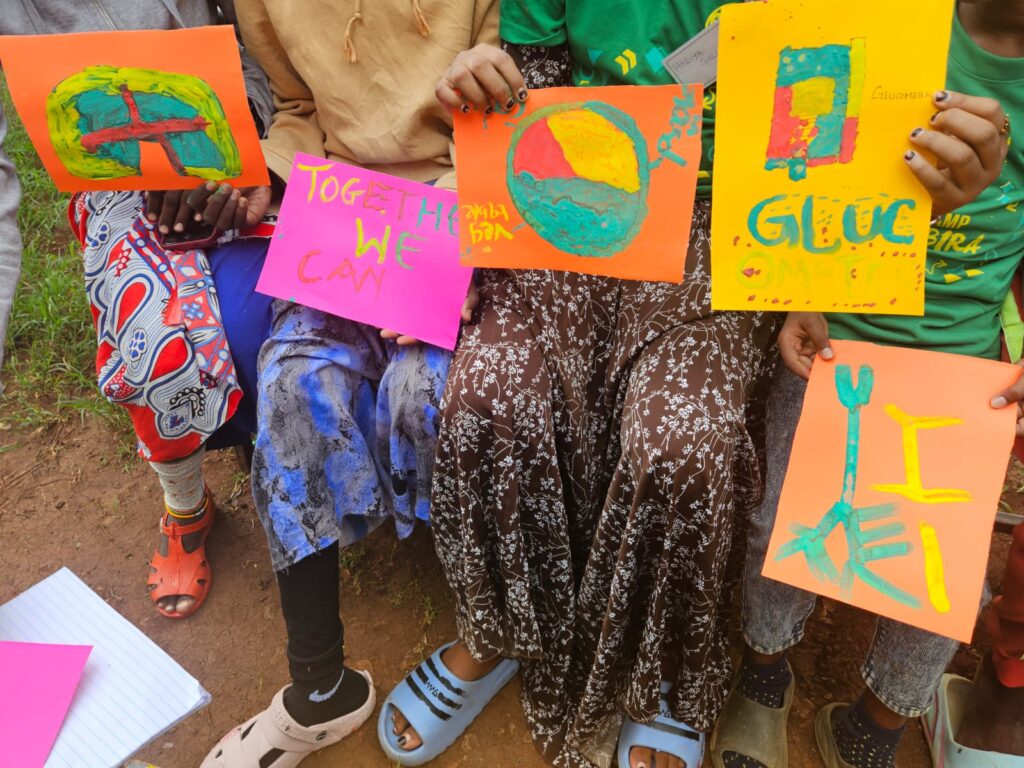
When we think about healthcare, we often think about medicines, laboratory tests, and clinical appointments. These are essential components of care. Yet during a recent Peer Educator Training of about 12 young adults in their 20s living with Type 1 Diabetes and Sickle Cell Disease Hamisi Pen Plus Clinic in Mbale Vihiga County from Isiolo,busia and Vihiga counties, I was reminded that some of the most transformative aspects of care cannot be prescribed.
They emerge through connection, understanding, and shared experience.
As participants reflected on their journeys, stories of resilience, stigma, burnout, family support, isolation, and hope filled the room. While the curriculum covered disease management, nutrition, emergency protocols, and mentorship skills, the deepest learning came from listening to one another.
The Invisible Burden of Chronic Illness
Living with a chronic condition is about far more than managing symptoms. It involves navigating school, relationships, work, identity, and the emotional demands of daily self-care.
For many young people, the diagnosis is only the beginning. Questions often follow:
How do I explain my condition to others?
How do I cope with treatment fatigue?
What happens when I feel different from my peers?
Who truly understands what I am going through?
These are not merely medical questions. They are human questions. They highlight why psychosocial care must be considered an essential component of quality healthcare rather than an optional extra.
Why Being Seen Matters
One of the most powerful moments in healthcare occurs when a person feels genuinely understood.
Peer educators bring something unique to the care journey. Their expertise is grounded not only in knowledge but also in lived experience. They understand the practical realities of injections, clinic visits, pain crises, treatment schedules, stigma, and the emotional ups and downs that accompany chronic illness.
When a young person meets someone who has faced similar challenges and found ways to move forward, hope becomes tangible. The message is no longer theoretical. It becomes: “I have been where you are, and you do not have to face this alone.”
That sense of being seen can be transformative.
From Patient to Peer Educator
What inspired me most during the training was witnessing participants move beyond their identities as patients.
They stepped into leadership.
They became educators, advocates, mentors, and role models. They recognized that their experiences—once sources of struggle—could become sources of strength for others.
This transformation demonstrates the value of investing in people with lived experience. It reminds us that communities already possess powerful assets for improving health outcomes. Sometimes the most effective support comes from those who understand the journey firsthand.
The Role of Psychosocial Care
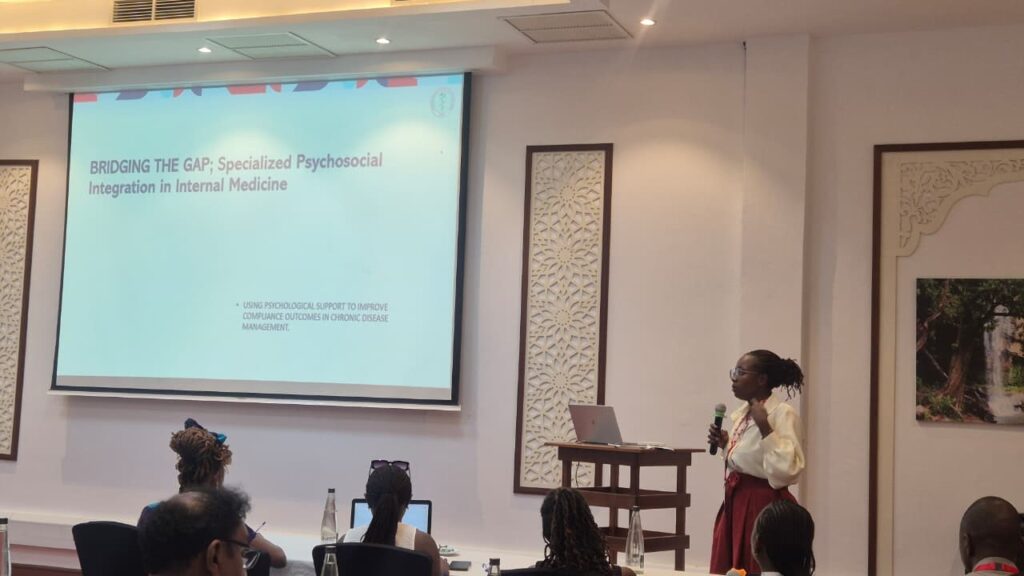
Psychosocial care helps people develop the emotional, behavioral, and social skills needed to live well with chronic conditions. It supports treatment adherence, strengthens coping strategies, addresses stigma, and promotes overall wellbeing.
Importantly, psychosocial care is not the responsibility of psychologists alone. It thrives when integrated into multidisciplinary teams that include healthcare providers, caregivers, peer supporters, communities, and people living with chronic conditions themselves.
Peer educators represent an important bridge between clinical care and everyday life. Their role complements medical care by helping individuals translate knowledge into practical action and sustainable habits.
Looking Ahead
As health systems continue to strengthen responses to non-communicable diseases, we must remember that effective care extends beyond diagnosis and treatment.
We need systems that recognize the whole person.
We need environments where emotional wellbeing is valued alongside physical health.
We need opportunities for people with lived experience to contribute meaningfully to care and support.
Most importantly, we need to ensure that every person living with a chronic condition feels seen, heard, and understood.
Final Reflection
The future of chronic disease care will not be built by medicine alone. It will be built through collaboration, compassion, and the recognition that lived experience is a form of expertise.
Because sometimes the most powerful intervention is not a prescription.
It is the experience of being seen.